
SOHO ROOM
Bar | Lounge | Restaurant
Start with a clear principle: balance intensity. Lighter foods need lighter beers. Rich or heavily seasoned dishes require fuller bodied beers that can stand up to the flavors. Pay attention to four attributes that determine harmony: sweetness, bitterness, acidity, and texture. Sweet sauces pair well with beers that have residual malt sweetness. Bitter hop character clashes with delicate seafood but lifts fatty, charred meats. Acidity in beer can cut through fried foods and creamy sauces. Mouthfeel matters: carbonated, high acid brews cleanse the palate between rich bites.
SoHo Room in New York sits in an urban neighborhood where guests expect classic tavern comfort food paired with approachable beers. Match local preferences by offering a range from crisp pilsners and fruity wheat beers to hop forward IPAs and malty brown ales. Leverage the proximity to Brooklyn Brewery, Other Half, Threes Brewing, and Bronx Brewery to rotate fresh kegs and keep pairings locally relevant.
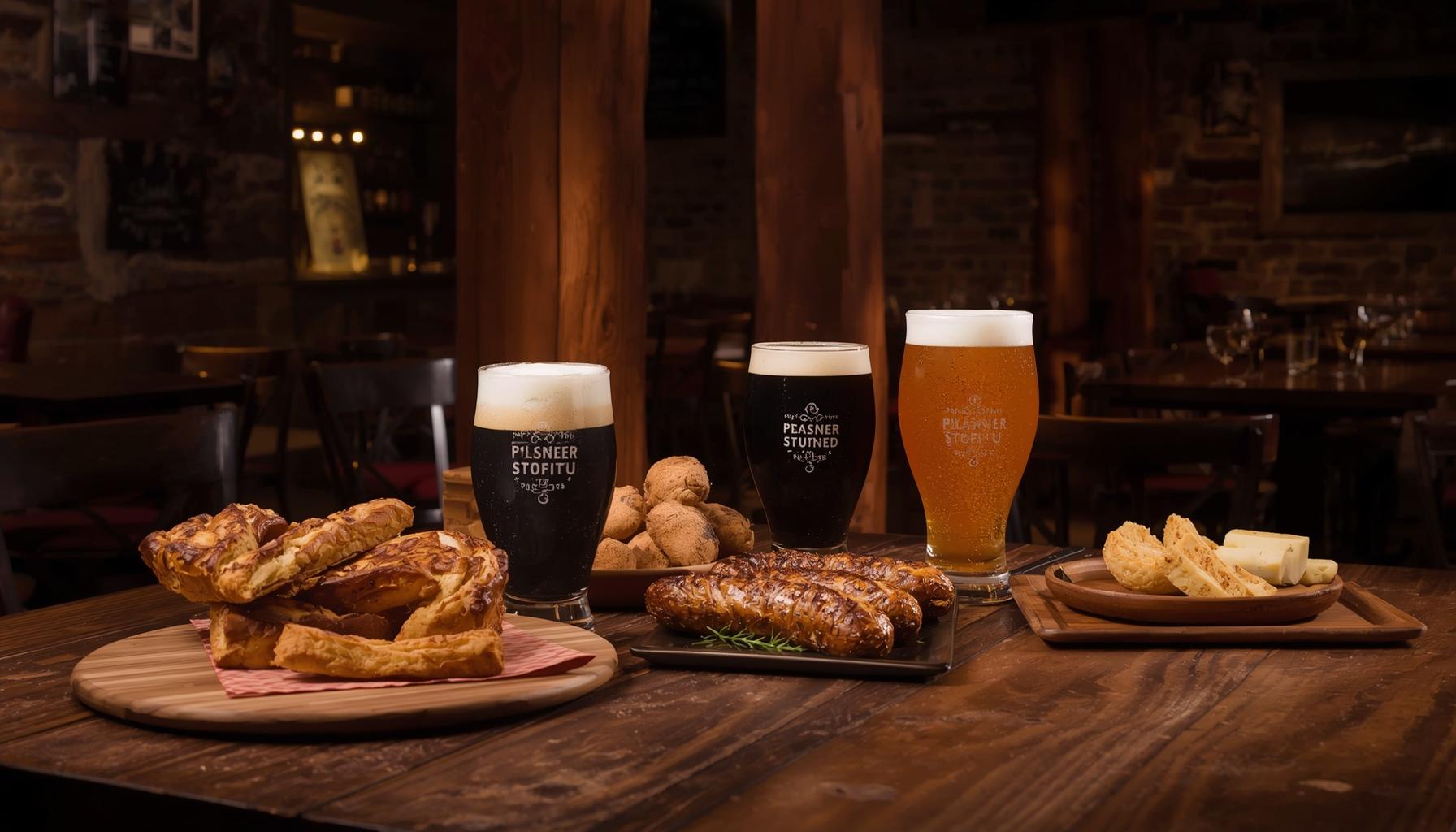
This section focuses on pragmatic matches that work on a tavern menu. Begin with style to flavor mapping, then move to specific dish pairings, tasting flight sequencing, cooking with beer, and operational choices that increase ticket value.
A concise mapping shows common dishes served at a brick walled watering hole and reliable style matches. The third column lists New York area examples to emphasize local sourcing. Serve temperatures are practical for front of house.
| Dish or Sauce | Dominant Flavor or Texture | Recommended Beer Style | NYC brewery example | Serving temp (°F) |
|---|---|---|---|---|
| Classic cheeseburger with char | Maillard crust, beef fat | American amber ale or brown ale | Brooklyn Brewery Brown Ale | 45–50 |
| Buffalo wings, medium heat | Vinegar and cayenne | Hazy IPA or crisp pilsner to cut heat | Other Half IPA / Threes Pilsner | 40–45 |
| Beer battered fish & chips | Crunch, mild white fish, malt sweetness | Crisp lager or golden ale | Bronx Brewery Lager | 38–44 |
| Fries with truffle mayo | Salty, umami fat | Belgian witbier or saison | Grimm Witbier | 40–45 |
| Soft salted pretzel with beer cheese | Dense dough, salty | Munich dunkel or malty amber | SingleCut Brown Ale | 45–50 |
| Sausage and sauerkraut | Fatty, tangy | Märzen or brown ale | Brooklyn Pilsner / Threes Brown | 45–50 |
| Meatloaf with gravy | Rich, tomato and herb | Brown ale or porter | Other Half Porter | 48–52 |
| Spicy vegan curry | Complex heat, aromatic spices | Hefeweizen or juicy IPA | Grimm Hefeweizen | 42–48 |
| Chocolate stout cake | Bitter chocolate, dense | Imperial stout or porter | Other Half Stout | 52–56 |
| Fruit tart or crème brûlée | Sweet acid balance | Lambic or dessert ale | Brooklyn Sorachi | 42–48 |
Sequence a tasting flight to move from light to heavy, and low bitterness to high bitterness. Start with pale lagers or wheat beers, progress to saison or pale ale, then to amber or brown ales, and finish with porter or stout. For a five pour flight at SoHo Room, portions of 4 to 5 ounces keep guests engaged without overpouring.
Cooking with beer is practical for a tavern kitchen. Use pilsner in batter for a crisper crust and less malt flavor. Incorporate stouts into braises or gravy for depth. Finish mussels with a sachet of saison for citrus and pepper lift. When writing menu descriptions, highlight the beer used. For example: “beer battered halibut finished with Bronx Lager” communicates craft and terroir.
Sourcing local brews strengthens the brand. New York City has numerous taprooms and contract brewers. Build relationships with breweries that offer keg continuity and special small batch releases. Rotate a local seasonal to match summer citrus menus or winter braises. Promote those rotations on a chalk board and digital channels. Mentioning Brooklyn Brewery or Other Half on a menu increases perceived value and encourages upsells.
Budget friendly pairing tactics increase covers and average checks. Train servers to offer a paired beer at a slight premium bundled with an appetizer. For example, suggest a 5 ounce pour of a pilsner with fish and chips for $4 extra. Create two signature pairings that use high margin drafts. Cross merchandise with growler fills or branded cans to go.
Common mistakes are avoidable. Never serve a hop forward IPA with delicate white fish. Avoid overly cold serving temperatures that mute hops or malt aromatics. Overpowering spice and a highly carbonated sour can clash; instead choose a lager or wheat to cool the heat. Fix mismatches by offering a small complementary pour or a palate cleanser such as pickles or a citrus sorbet.
Service and presentation increase perceived quality. Use appropriate glassware for each style. Pilsners and lagers do well in tall, narrow glasses to preserve carbonation. Brown ales and porters benefit from tulip or pint glasses that concentrate aroma. Hold lagers at 38 to 45 degrees Fahrenheit. Maintain clean lines on taps and ensure kegs rotate at cellar temperatures to preserve freshness.
Catering to groups and shared plates leverages tavern culture. Compose pairings that travel across the table. Offer a shared tray with three complementary beers matched to a sampler of wings, sliders, and fries. Clearly list pairings on a catering menu and provide small adhesive cards with pairing notes for each plate.
SoHo Room New York, reachable at (212) 334-3855, can use these practical pairing strategies to enhance the tavern menu, encourage local beer exploration, and increase check averages while keeping the experience warm and approachable.